






















Masada, Qumran and Ein Gedi: Uncovering the Secrets of the Judean Desert
Masada, Qumran, and Ein Gedi: Uncovering the Secrets of the Judean Desert
November 29, 2025
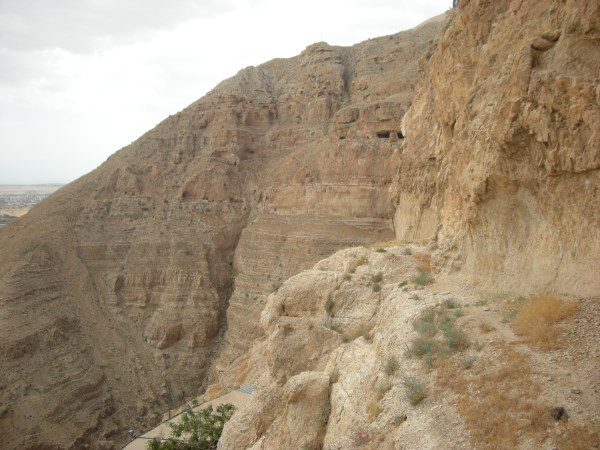
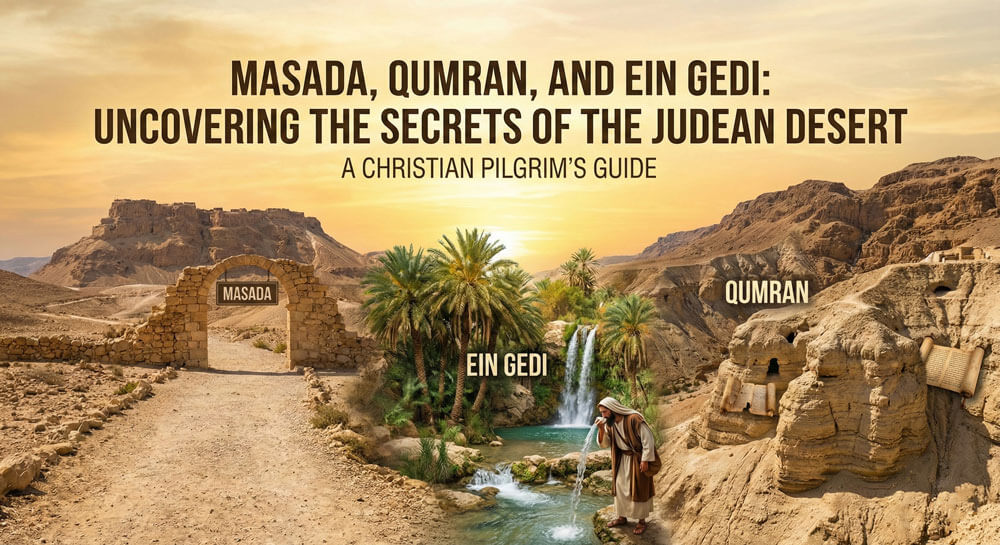 Most of the biblical story happens in the fertile crescent of the Galilee or the ancient metropolis of Jerusalem. Yet, some of the most profound spiritual moments and historical confirmations of the Bible are hidden in the dramatic, arid landscape of the Judean Desert.
This region, stretching east of Jerusalem toward the Dead Sea, is a landscape of stark beauty, rugged cliffs and deep spiritual significance. It is a place of hiding, refuge, prophecy and ultimate truth.
Our longer itineraries, such as the Extended 12-Day Israel Pilgrimage, intentionally dedicate time to this region, because standing here brings three essential parts of the scriptural narrative powerfully to life.
1. Qumran: The Truth in the Scrolls
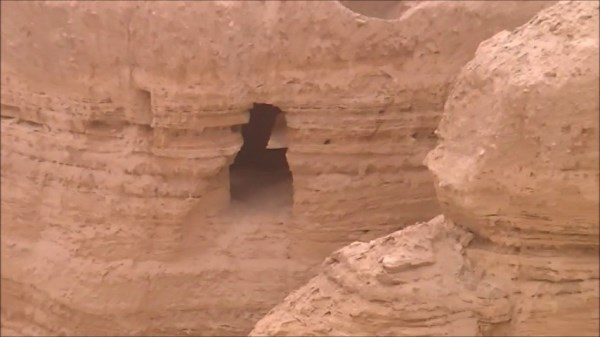
Located near the northwestern shore of the Dead Sea, Qumran is one of the most important archaeological sites for the Bible's historical authenticity.
The Community and the Scrolls
Qumran was the settlement of a Jewish sectarian group, widely believed to be the Essenes, who lived here from the 2nd century BC until the Roman destruction in 68 AD. They lived a communal, ascetic life dedicated to ritual purity and copying sacred texts.
In 1947, a Bedouin shepherd discovered the first of what would become a massive find: the Dead Sea Scrolls—thousands of fragments from 981 different texts found in caves surrounding Qumran.
The Christian Significance
The Dead Sea Scrolls are the oldest known surviving manuscripts of works later included in the Hebrew Bible (Old Testament).
- Confirmation: These scrolls provide powerful, tangible proof that the Old Testament texts—including Genesis, Exodus and nearly the entire book of Isaiah—were faithfully preserved for a thousand years before the earliest texts we had previously.
- Connection to John the Baptist: Many scholars believe John the Baptist, who was raised in the wilderness near the desert, may have had significant contact with this community due to their shared commitment to asceticism, prophecy and baptismal rituals.
Standing at Qumran is a powerful confirmation of the historical reliability of the Word of God.
2. Masada: The Symbol of Courage
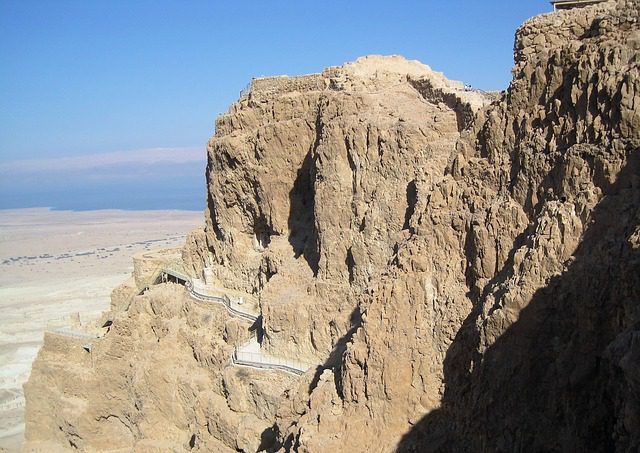
Masada is the iconic, isolated mountain fortress overlooking the Dead Sea. It is a powerful, tragic and awe-inspiring site that serves as a monument to Jewish resistance.
The History
The fortress was originally built by King Herod the Great. However, Masada is famous for the events that occurred after the First Jewish Revolt (66–73 AD). Following the destruction of the Temple in Jerusalem in 70 AD, the last holdouts of Jewish resistance—known as the Zealots—took refuge here.
The Zealots held out against the vast Roman Tenth Legion for three years. Rather than surrender to the Romans and face enslavement, the defenders chose mass suicide in 73 AD.
The Pilgrim's Experience
Visiting Masada (usually reached by cable car) is a unique experience where you witness incredible human resilience.
- Herod’s Palace: You can explore the ruins of Herod's magnificent palace, cisterns and bathhouses.
- The Ramp: You can see the huge earthen ramp the Romans built to breach the walls, a feat of engineering that took months.
- A Lesson in Resistance: While the Christian faith values self-sacrifice over suicide, the site provides a deep cultural understanding of the passionate Jewish resistance that the early Church operated within—a resistance against the same Roman powers that crucified Christ.
3. Ein Gedi: The Oasis of Refuge
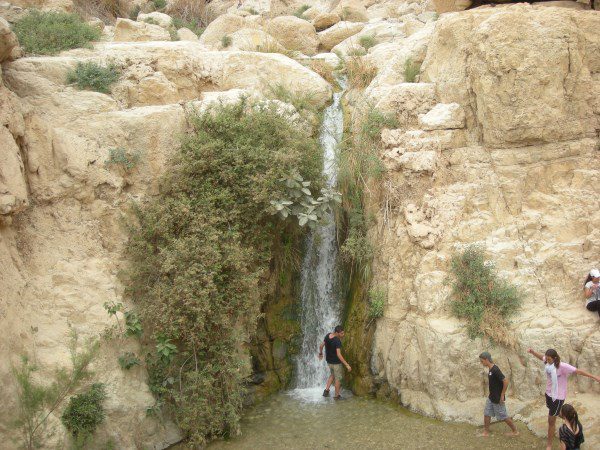
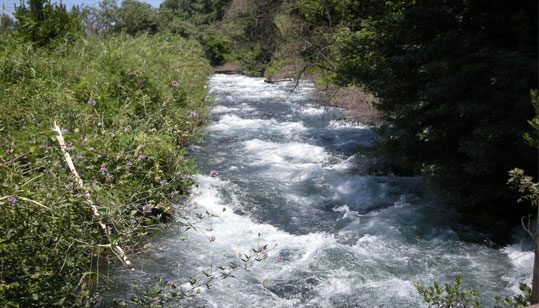
Ein Gedi is a beautiful, unexpected oasis of freshwater springs, waterfalls and lush vegetation located right on the edge of the desert. For the pilgrim, this site brings to life one of the most beloved stories of discipleship in the Old Testament.
King David’s Refuge
Ein Gedi is where the future King David hid from the relentless pursuit of King Saul. The biblical narrative tells us:
“After Saul returned from pursuing the Philistines, he was told, ‘David is in the Desert of En Gedi.’” (1 Samuel 23:29)
It was in the caves of Ein Gedi that David famously came upon Saul while Saul was relieving himself. David cut off a corner of Saul's robe but refused to raise his hand against the Lord's anointed, choosing faith and patience over revenge (1 Samuel 24).
The Spiritual Significance
Ein Gedi is a powerful lesson in spiritual patience and trust in God's timing. In the middle of a harsh, dry desert—a place of testing and temptation—God provides the lush, life-giving water of His presence. When you walk through this oasis, it is impossible not to connect it to the Psalms David wrote while hiding here, waiting on the Lord.
A Journey Beyond the Stones
The Judean Desert is a place where every element—the fortress, the scrolls, the spring—tells a profound story of faith and perseverance. It is a cornerstone of the land, affirming the historical truth of the Old Testament and providing spiritual lessons for the New.
If you are ready for a comprehensive journey that includes the deep history of the desert, we encourage you to view our Multi-day Christian Tour Packages.
Ready to visit Masada, Ein Gedi & Qumran?
- Dedicated Tour: Explore our One Day Masada / Dead Sea Tour, which is focused on these three locations.
- Multi-Day Tours: All our Multi-Day Christian Tour Packages include visits to Masada, Ein Gedi & Qumran.
Are you ready to book a Holy Land Tour to Israel?